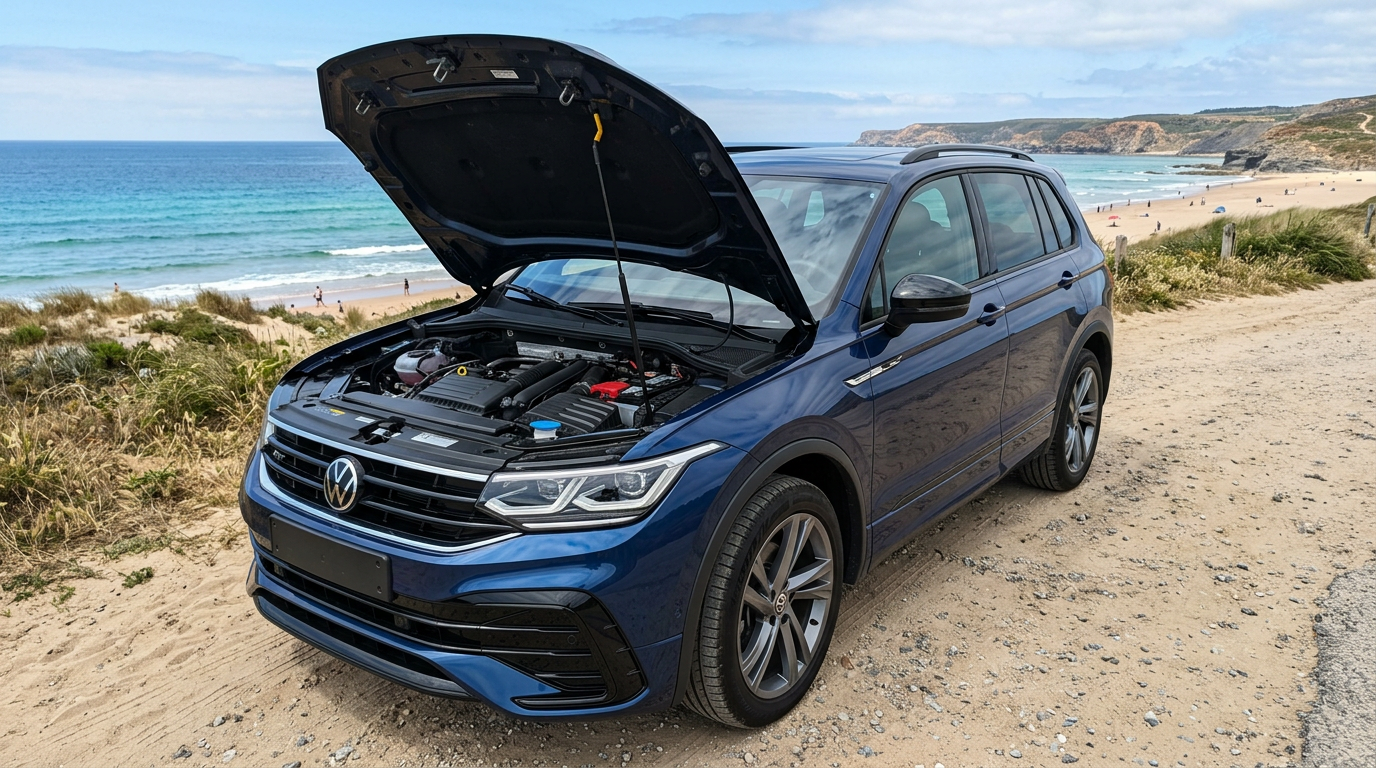
The seasonal shift in the Mid-Atlantic region brings intense heat that tests the limits of automotive engineering. While winter weather receives much of the attention for vehicle strain, the sustained warmth of July and August actually presents a more severe threat to your vehicle's vital systems. The combination of high ambient temperatures and the heat generated under the hood of your vehicle creates a demanding environment for both the electrical system and the climate control components.
Car batteries are highly sensitive to extreme thermal environments because they rely on internal chemical reactions to store and release electrical energy. Elevated temperatures accelerate these chemical processes, which leads to a faster self-discharge rate and hastens the evaporation of the liquid electrolyte inside the battery casing. This accelerated degradation can cause a battery to wear out internally long before cold weather ever arrives. When you are commuting along the flat, open stretches near Dover Air Force Base, the constant heat exposure is silently reducing your battery's overall lifespan.
Simultaneously, your air conditioning system must work much harder to lower the cabin temperature when the pavement is radiating heat. The AC compressor, which is driven by the engine's serpentine belt, experiences maximum mechanical load during these hot stretches. If the refrigerant level is even slightly low, or if the condenser is partially blocked by road debris, the compressor has to run continuously without adequate lubrication, leading to premature wear.
For those driving electric models like the spacious and innovative Volkswagen ID. Buzz, thermal management is equally critical. The sophisticated liquid-cooling systems in modern electric vehicles work overtime in the summer to keep the large high-voltage battery pack within its optimal operating temperature range, which places a unique demand on the vehicle's auxiliary cooling components. If you suspect your vehicle is struggling with the seasonal transition, you can easily find our service center on North Dupont Highway or give our team a quick call to discuss preventative care.
Table of Contents
- Recognizing the Warning Signs of a Failing Volkswagen Battery in Hot Weather
- Identifying Weak Air Conditioning Performance and Refrigerant Leaks in Your VW
- What a Professional Summer Pre-Trip Maintenance Inspection Covers for Your Vehicle
- Common Questions About Maintaining Your Volkswagen in the Summer Heat
- Schedule Certified Volkswagen AC and Battery Service
Recognizing the Warning Signs of a Failing Volkswagen Battery in Hot Weather
A battery rarely fails without dropping a few subtle hints first, though these signs are easy to overlook during busy daily schedules. Because heat accelerates internal grid corrosion, a battery that seemed perfectly strong in May can quickly lose its cranking power by mid-summer. Recognizing these early indicators can save you from an inconvenient breakdown on the side of the road.
The most common warning signs of a degrading 12V battery include:
- A noticeably slow engine crank when pushing the start button or turning the key.
- Flickering, dimming, or weak interior cabin lights and headlights when the engine is idling.
- A visible warning light on the instrument cluster, such as the battery or charging system icon.
- A physically bloated, swollen, or distorted battery case, which is a direct physical consequence of excessive heat buildup and pressure.
- Corrosion buildup, characterized by a white or bluish-green powdery substance, around the positive and negative terminal connections.
When you are preparing for a weekend trip or driving home from a long shift, pay close attention to how your vehicle starts. If the starter motor hesitates for even a second, the battery's reserve capacity is likely depleted. Our certified technicians can perform a precise load test, which subjects the battery to a simulated starter draw to measure its true health rather than just checking its static voltage.
While waiting for a quick diagnostic check in our comfortable customer lounge, owners often enjoy browsing our collection of Volkswagen apparel to show their brand pride. We are committed to keeping your vehicle performing safely and efficiently, and you can always read our client feedback to see how we prioritize honest, transparent communication. Before scheduling your visit, be sure to check if there are any current service specials that can help you save on your preventative maintenance needs.
Identifying Weak Air Conditioning Performance and Refrigerant Leaks in Your VW
When the cabin temperature refuses to drop, the drive becomes uncomfortable very quickly. A common misconception is that a weak air conditioning system simply needs a quick canister of over-the-counter refrigerant. However, because the automotive AC system is a completely sealed loop, any drop in refrigerant levels indicates a physical leak that must be identified and repaired to prevent permanent component damage.
A refrigerant leak does more than just reduce cooling efficiency; it also allows moisture to enter the system, which can mix with the compressor oil to form a highly corrosive acid. This acid destroys internal seals and can eventually cause the AC compressor to seize entirely. In a larger family vehicle like the 2026 Volkswagen Atlas, which features a spacious cabin designed for 7 passengers, a fully functioning dual-zone or tri-zone climate system is essential to keep rear-passenger areas cool.
Look out for these common symptoms of AC system distress:
- Air that blows lukewarm or warm even when the temperature dial is set to its lowest position.
- A weak or restricted volume of airflow coming out of the dashboard vents, even with the fan speed set to maximum.
- Unusual mechanical noises, such as a loud squealing, buzzing, or clicking sound when the AC compressor clutch attempts to engage.
- A damp, musty, or moldy odor emanating from the vents immediately after turning on the fan.
- Visible oily residue on the AC lines, hoses, or fittings, which often indicates where refrigerant and lubricating oil are escaping.
If you are experiencing any of these issues while commuting from Middletown, bringing your vehicle in for a professional system evaluation is the best way to prevent a minor leak from turning into an expensive compressor replacement. Our parts department stocks high-quality cabin filters and system components, and you can easily order authentic parts directly through our website. For personalized assistance, you can reach out to our staff or get simple turn-by-step directions to our service facility online.
What a Professional Summer Pre-Trip Maintenance Inspection Covers for Your Vehicle
A thorough preventative inspection is the most effective way to ensure your vehicle is prepared for long drives on hot asphalt. Rather than waiting for a warning light to illuminate on your dashboard, a proactive checkup identifies minor wear before it escalates into a mechanical failure. This is especially important for commuters who regularly travel long distances for work or recreation.
A professional summer inspection at our facility covers several critical areas:
- Battery Load Testing: Measuring the battery's cold cranking amps and reserve capacity under load to guarantee reliable starting power.
- Cooling System Evaluation: Checking the level, age, and chemical concentration of the engine coolant, as well as inspecting hoses for soft spots or cracks.
- AC Performance Diagnostic: Testing vent temperatures, blower motor operation, and checking the cabin air filter for clogs.
- Tire Integrity and Pressure Check: Inspecting tread depth, looking for uneven wear patterns, and adjusting pressures to the manufacturer's specification when the tires are cold.
- Fluid Health Review: Verifying the condition and levels of the engine oil, brake fluid, and windshield washer fluid.
For drivers navigating the roads around Milford, keeping up with these routine checks ensures your vehicle remains highly reliable. During the inspection, our technicians will also examine the cabin air filter, which should typically be replaced every 15,000 to 30,000 miles to prevent dust and local agricultural pollen from restricting your AC airflow.
If you are driving a model covered by VW Carefree Maintenance, which is standard on Model Year 2020 and newer vehicles, these routine visits are structured to keep your vehicle in peak operating condition. To prepare your vehicle for the summer driving season, you can use our convenient online appointment booking tool to select a time that fits your calendar. While your vehicle is in the shop, feel free to ask about our lifestyle accessories or browse our selection of branded gear. If you are interested in our pre-owned options, you can also explore our certified pre-owned program details to learn about the rigorous multi-point inspections those vehicles undergo.
Common Questions About Maintaining Your Volkswagen in the Summer Heat
Q: Why does hot summer weather drain a car battery so quickly?
High summer temperatures accelerate the internal chemical reactions inside a car battery, which leads to a faster self-discharge rate. The extreme heat under the hood also causes the liquid electrolyte inside the battery to evaporate, which damages the internal lead grids and shortens the battery's overall operational lifespan.
Q: Can a clogged cabin air filter cause the AC to blow warm air?
Yes, a severely clogged cabin air filter restricts the volume of air flowing across the AC evaporator coil. When airflow is reduced to a trickle, the moisture on the evaporator coil can freeze solid, turning the coil into a block of ice that blocks heat transfer and causes the vents to blow warm air.
Q: What causes a Volkswagen AC compressor to fail prematurely?
The most common cause of premature compressor failure is operating the system with low refrigerant levels, which deprives the compressor of the vital lubricating oil that circulates with the refrigerant. Additionally, a worn serpentine belt that slips under heavy load or a failing engine cooling fan can cause abnormally high system pressures that strain the compressor.
Q: How do I know if my vehicle has a refrigerant leak?
The most obvious sign of a refrigerant leak is a gradual decline in the system's cooling capability over several weeks or months. You might also notice an oily film on the AC lines and fittings, or you may hear the AC compressor clutch rapidly cycling on and off because the system pressure is too low to operate continuously.
Q: Is it safe to add refrigerant using a retail recharge kit?
We do not recommend using retail recharge kits because they often contain stop-leak additives that can clog the delicate expansion valves and orifices in your Volkswagen AC system. Furthermore, these kits do not fix the underlying leak and make it very easy to accidentally overcharge the system, which can permanently damage the compressor.
Schedule Certified Volkswagen AC and Battery Service
Maintaining your vehicle's cooling performance and electrical health requires specialized diagnostic equipment and factory-trained expertise. At our dealership, our technicians use factory-authorized scanners to read real-time pressure sensors, evaluate battery cell health, and ensure that every repair meets strict manufacturer standards. Whether you are driving a compact commuter model or a larger family SUV, we have the specialized tools and genuine parts required to keep your vehicle running smoothly.
Our service department is committed to providing a seamless, stress-free experience for every visitor. We utilize genuine OEM parts that are specifically designed for your model, ensuring perfect fitment and long-term durability. If your vehicle requires replacement components, you can easily shop for genuine parts online through our portal.
We invite you to read through our latest service tips to find more helpful advice on keeping your vehicle in top condition throughout the year. If you are ready to have your battery tested or your air conditioning system serviced, please use our online scheduler to secure your appointment. For those driving in from the surrounding areas, you can easily get directions to our Dover location at 1387 N Dupont Hwy, Dover, DE 19901, or call our service advisors at (302) 601-4091 to plan your visit today.
© 2026 Winner Volkswagen. All rights reserved.