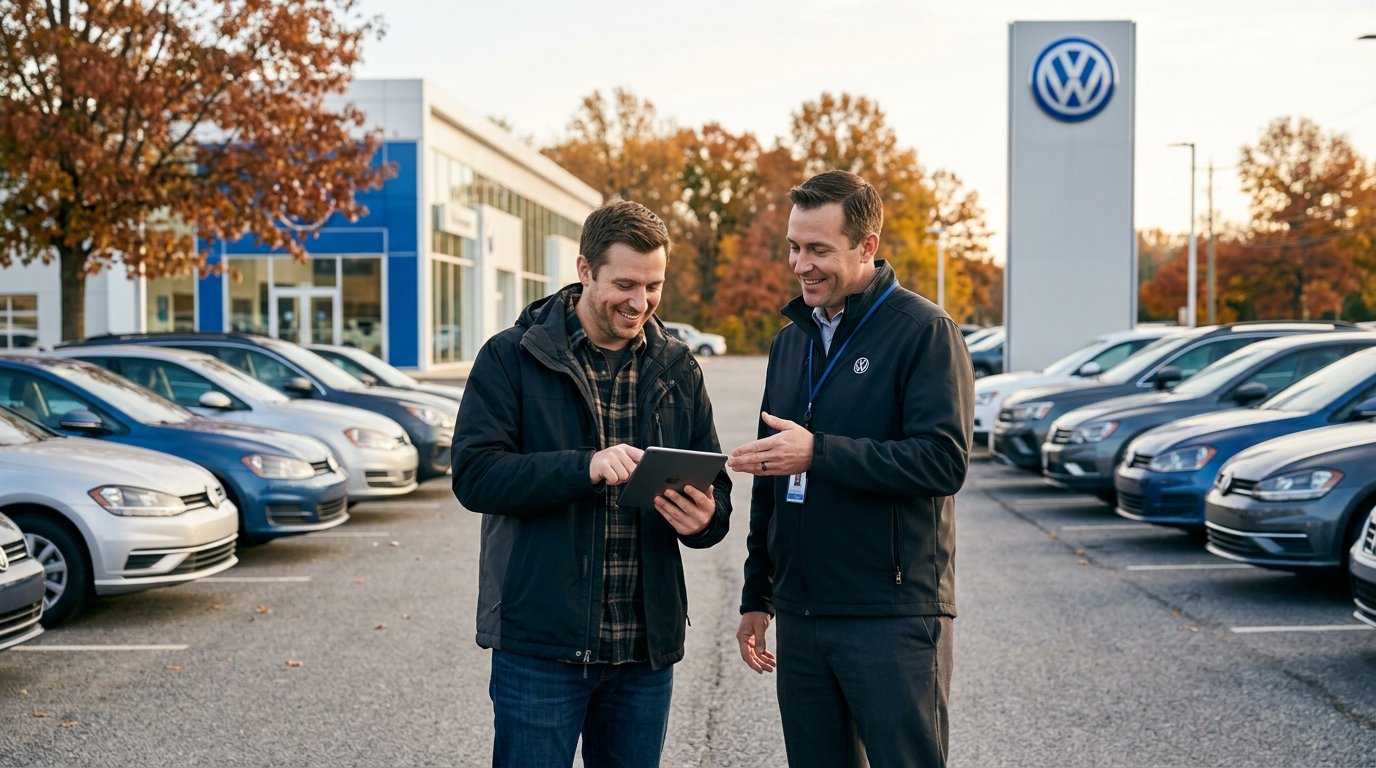
The smartest way to buy a used car in Dover involves securing financing options, verifying a comprehensive vehicle history report, insisting on an independent pre-purchase inspection or factory certification, and accounting for Delaware state titling costs like the current vehicle document fee. Choosing an established franchise dealership ensures transparent vehicle condition disclosures, comprehensive mechanical evaluations, and clear buyer protections that private sellers cannot match.
Navigating the pre-owned vehicle market requires a structured approach to balance vehicle condition, overall value, and long-term reliability. Shoppers coming from Dover Air Force Base or local state offices often prioritize fuel efficiency and verified service histories for daily highway driving. Establishing a clear budget before browsing inventory helps buyers compare standard used models against certified options without overextending their finances.
Before visiting a showroom, evaluating trade-in value and researching vehicle market pricing creates a baseline for negotiations. Comparing pre-owned options across model years reveals how key safety systems like adaptive cruise control and lane assist affect total resale value. Taking time to test-drive vehicles on both local streets and highway corridors exposes ride quality, braking responsiveness, and cabin ergonomics under realistic driving conditions.
Working with an established local dealership streamlines the entire purchase process from test drive to titling. Our team maintains an extensive selection of thoroughly inspected pre-owned vehicles to fit diverse budgets and driving needs. To inspect our current inventory or schedule a test drive, stop by our showroom on North Dupont Highway or start the conversation by calling our team at (302) 601-4091.
Table of Contents
- What Makes Top-Rated Used Car Dealerships Stand Out?
- Are Certified Pre-Owned Cars Worth the Price Premium Over Standard Used Vehicles?
- How Does a Factory CPO Warranty Differ from Third-Party Protection and Is It Transferable?
- Do Local Dealerships Support Independent Pre-Purchase Inspections and Complete Vehicle Checks?
- What Delaware Paperwork, Document Fees, and Registration Steps Are Required When Buying Used?
- Common Questions About Buying a Used Car in Delaware
- Taking Your Next Step Toward a Used Vehicle in Dover
What Makes Top-Rated Used Car Dealerships Stand Out?
Top-rated used car dealerships stand out by offering transparent vehicle history reports, permitting independent pre-purchase inspections, providing clear upfront pricing without hidden administration fees, and backing inventory with factory certification or written warranty protections. High-performing dealerships prioritize buyer confidence over high-pressure tactics, ensuring every vehicle on the lot meets strict mechanical and aesthetic standards.
Reputable dealerships distinguish themselves through rigorous inventory selection processes. Rather than retailing every trade-in received, leading dealers subject incoming vehicles to comprehensive mechanical evaluations by factory-trained technicians. Critical components—including brake pads, tires, suspension linkages, and engine diagnostics—must meet minimum tread depths and operational standards before a vehicle reaches the sales floor.
| Dealership Attribute | Standard Used Car Lot | Top-Rated Franchise Dealership |
|---|---|---|
| Mechanical Inspection | Basic safety check or as-is | 100-plus point inspection by certified technicians |
| Warranty Coverage | Optional paid third-party contract | Included manufacturer warranty or CPO coverage |
| History Disclosure | Verbal summary or limited data | Full CARFAX or AutoCheck report provided |
| Pricing Structure | Variable dealer add-ons | Transparent pricing with clear fee line-items |
| Inspection Policy | Restricted or prohibited off-site checks | Full support for independent pre-purchase inspections |
Customer service standards at top dealerships extend beyond the showroom floor into flexible trade-in and financing support. Buyers seeking a smooth transaction benefit from digital trade-in valuation tools and streamlined finance approvals. Shoppers exploring our local vehicle showroom near Cheswold can evaluate their current vehicle's market value online by requesting an instant cash offer online prior to their appointment.
Are Certified Pre-Owned Cars Worth the Price Premium Over Standard Used Vehicles?
Certified pre-owned (CPO) vehicles are worth the $2,500 to $4,500 price premium over standard used cars for buyers seeking long-term coverage, because they undergo a multi-point factory inspection, include extended manufacturer warranty coverage, and offer complimentary roadside assistance. This initial premium offsets potential out-of-pocket mechanical repairs during the early years of ownership.
The primary distinction between a standard pre-owned vehicle and a CPO model lies in manufacturer-enforced eligibility and inspection criteria. To qualify for certification, a vehicle must satisfy strict age and mileage thresholds—typically under 6 model years old and with fewer than 75,000 miles on the odometer. Vehicles meeting these parameters undergo a 100-plus point inspection covering mechanical systems, electrical infrastructure, exterior body panels, and interior comfort technology.
For example, a standard used SUV might carry lower upfront pricing, but it leaves the buyer fully responsible for future component failures once purchased. In contrast, selecting a certified model provides structured warranty protection backed directly by the automaker. Buyers evaluating our current inventory of pre-owned luxury SUVs often compare standard trade-ins against certified alternatives to balance purchase price against overall ownership protection.
Understanding the specific features covered under factory certification ensures buyers select the right vehicle tier for their lifestyle. Additional program perks typically include detailed vehicle history reports, trial subscriptions to satellite radio, and specialized financing rates offered through OEM captive lenders. Shoppers can review full program criteria by reviewing certified pre-owned program guidelines before making a final purchasing decision.
How Does a Factory CPO Warranty Differ from Third-Party Protection and Is It Transferable?
A factory CPO warranty is backed directly by the vehicle manufacturer with repairs performed by factory-trained technicians using genuine OEM parts, whereas third-party extended contracts rely on varying third-party approval processes and network restrictions. Most manufacturer CPO warranties are transferable to subsequent private buyers during the active coverage period for a small transfer fee, typically between $25 and $50.
Factory CPO warranties function as an extension of the original new vehicle warranty. Coverage includes comprehensive mechanical and electrical components against defects in materials and workmanship, usually adding 2 years or 24,000 miles of bumper-to-bumper protection after the original 4-year/50,000-mile coverage expires. Repairs under a factory warranty require only a nominal deductible—often $50 per visit—and are honored at any authorized brand dealership nationwide.
Third-party extended service contracts operate under different rules and reimbursement structures. Independent service contracts frequently require vehicle owners to pay for repairs out of pocket before submitting receipts for clearance. Approval delays, capped hourly labor rates, and exclusions for specific electronic modules or wear items can create unexpected out-of-pocket expenses during mechanical service.
| Feature | Factory CPO Warranty | Third-Party Extended Contract |
|---|---|---|
| Backing Organization | Original Vehicle Automaker | Independent Insurance Administrator |
| Service Location | Any Authorized Franchise Dealer | Network-Restricted Repair Shops |
| Replacement Components | Genuine OEM Parts | Aftermarket or Remanufactured Parts |
| Claim Process | Direct Dealer Billing | Pre-Approval and Reimbursement Filing |
| Private Party Transfer | Transferable with low administrative fee | Often non-transferable or subject to strict clauses |
Transferability adds tangible resale value if you decide to sell your vehicle privately before warranty coverage expires. Private party buyers pay a premium for pre-owned cars that carry active, factory-backed protections. Exploring options at our certified pre-owned inventory center allows buyers to view detailed coverage schedules and warranty terms for every certified model on the lot.
Do Local Dealerships Support Independent Pre-Purchase Inspections and Complete Vehicle Checks?
Reputable local dealerships fully support independent pre-purchase inspections, allowing buyers to take a used vehicle to a licensed off-site mechanic or hosting a technician on-site before completing a sale. Welcoming third-party mechanical evaluations demonstrates total confidence in inventory quality and transparent business practices.
An independent pre-purchase inspection (PPI) provides an unbiased assessment of a vehicle's mechanical health, structural integrity, and electronic systems. During a typical inspection, an independent technician elevates the vehicle on a lift to examine frame alignment, steering linkage wear, fluid leaks, and brake rotor thickness. Diagnostic scan tools are connected to the engine control unit to check for cleared trouble codes or pending sensor faults.
Families in Middletown commuting along the Broad Street commercial corridor frequently balance immediate purchase costs against long-term operational reliability. Commuters and military personnel visiting from Dover Air Force Base frequently ask whether independent pre-purchase inspections are allowed before completing a transaction; our team encourages third-party evaluations on any non-certified used model to give buyers total clarity before signing.
To schedule a smooth off-site inspection, buyers simply coordinate a designated time window with their sales representative. Dealerships typically provide a temporary test-drive agreement allowing the vehicle to be driven to a local repair facility. For shoppers evaluating pre-owned vehicles alongside our latest new vehicle lineup, arranging a thorough mechanical check helps confirm that every pre-owned option meets exact personal standards before getting pre-approved for auto financing.
What Delaware Paperwork, Document Fees, and Registration Steps Are Required When Buying Used?
Registering a used car in Delaware requires a signed vehicle title, proof of active state auto insurance, a passed DMV safety and emissions inspection report, payment of the current vehicle document fee, a $35 title fee (or $55 with a lien), $40 annual registration fee, and the dealer documentation fee. Delaware does not charge a general sales tax on vehicle purchases, making the document fee the primary state tax assessment.
State law mandates that buyers apply for a title transfer within 30 days of purchasing a used vehicle. When purchasing from a licensed franchise dealer, administrative staff complete and submit all titling documents, vehicle inspection reports, and registration paperwork directly to the Delaware Division of Motor Vehicles on the buyer's behalf. This process eliminates long wait times at local DMV branch offices and ensures error-free filing.
Calculating total drive-off costs requires adding state-mandated titling fees to the agreed vehicle sale price. the current vehicle document fee is calculated based on the net purchase price or the current NADA trade-in value, whichever is higher. Buyers trading in an existing vehicle receive a document fee credit, as the value of the trade-in is subtracted from the purchase price before the percentage is calculated.
- Signed vehicle title with mileage disclosure completed by the seller
- Proof of Delaware automobile insurance policy meeting state minimum liability limits
- Delaware DMV safety and emissions inspection approval document
- Payment for the current vehicle document fee
- Title issuance fee of $35 for clear titles or $55 for financed vehicles with recorded liens
- Annual passenger vehicle registration fee of $40 per year
Understanding state titling requirements helps buyers structure financing accurately and avoid unexpected closing costs. For detailed guidance on structuring your upcoming vehicle transaction, visit our dealership location on Dupont Highway, speak directly with our financial team by calling (302) 601-4091, or review ownership options by comparing vehicle buying versus leasing options online.
Common Questions About Buying a Used Car in Delaware
Q: How long does a buyer have to register a used car after purchase in Delaware?
Delaware law requires buyers to complete title transfers and vehicle registration within 30 days of the purchase date. Purchasing through a licensed dealership simplifies this requirement, as dealer personnel issue temporary operational tags and submit permanent titling paperwork directly to the Delaware DMV. Buyers purchasing through private sales must visit a DMV office in person within the 30-day window to avoid late registration penalties.
Q: What documents should buyers bring to the dealership when applying for used car financing?
Shoppers applying for auto financing should bring a valid driver's license, proof of current auto insurance, two recent pay stubs verifying income, a recent utility bill confirming residential address, and title documents for any trade-in vehicle. Bringing these items streamlines the underwriting process, enabling finance managers to secure current financing options and finalize paperwork efficiently during a single visit.
Q: Does Delaware charge sales tax on trade-in vehicle values?
Delaware does not charge a general sales tax on automobiles, but it assesses a 4.25% vehicle document fee upon titling. When trading in a vehicle at a dealership, the agreed trade-in allowance reduces the taxable purchase price of the replacement car. Calculating the document fee on the net price difference lowers total out-of-pocket transaction costs for the buyer.
Q: How does vehicle mileage affect used car warranty eligibility and financing terms?
Lower-mileage vehicles under 75,000 miles and fewer than 6 model years old qualify for factory certified pre-owned programs and extended manufacturer warranties. Lenders also offer lower interest rates and longer loan terms on late-model, low-mileage vehicles because higher resale values lower lender risk. Vehicles exceeding 100,000 miles remain eligible for standard financing but carry shorter loan term limits.
Q: What should buyers verify on a CARFAX report before making an offer?
Buyers reviewing a CARFAX report should confirm title status to ensure the vehicle carries a clean title free of salvage, flood, or lemon-law brandings. Additionally, buyers should examine ownership history, recorded service intervals, structural damage indicators, and odometer progression to verify that recorded mileage matches actual physical wear on the vehicle.
Taking Your Next Step Toward a Used Vehicle in Dover
Choosing the right used vehicle requires balancing transparent condition disclosures, verified warranty protections, and clear state titling requirements. By evaluating vehicle history reports, exploring certified options, and accounting for Delaware document fees upfront, buyers can make informed decisions that deliver long-term driving satisfaction and financial security.
Our dedicated team at Winner Volkswagen is ready to assist you through every stage of your buying journey with transparent pricing and personal attention. Experience the quality of our pre-owned inventory firsthand by visiting our showroom for a test drive, or begin your purchase process online today.
Keep Your Vehicle Running Strong
Keep your vehicle performing at its best with our service team:
© 2026 Winner Volkswagen. All rights reserved.